Jaguar XJ13 Prototype (1966): Complete Engineering, Operational & Historical Dossier
1. Executive Overview
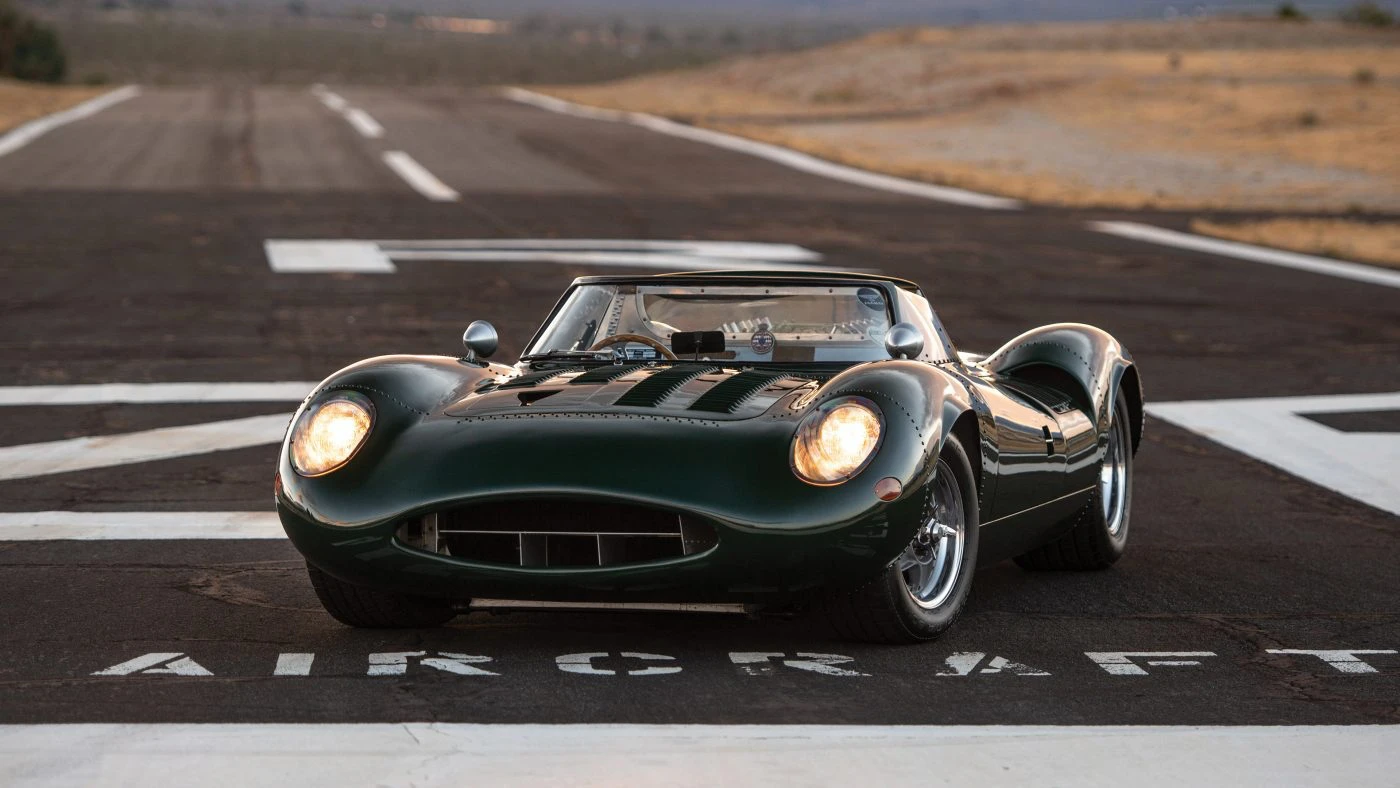
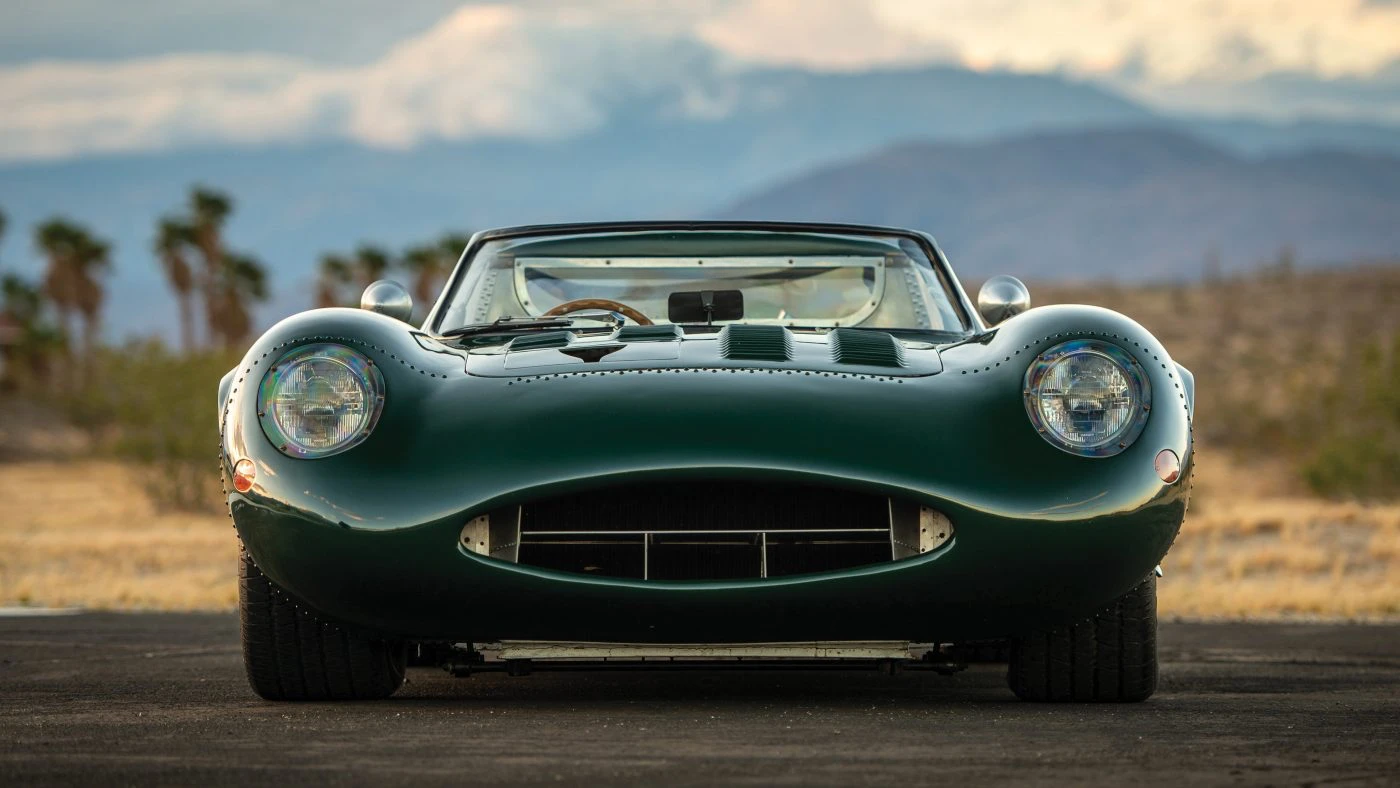
The Jaguar XJ13 stands as one of the most celebrated yet tragic prototypes in motorsport history. Conceived in the mid-1960s under Chief Engineer William Heynes, engine designers Claude Baily and Wally Hassan, and chassis engineer Derrick White, the XJ13 was built to restore Coventry to the winner's circle at the 24 Hours of Le Mans.
Penned by aerodynamicist Malcolm Sayer using aircraft design principles, its lightweight aluminum monocoque was formed around a mid-mounted, quad-cam 5.0-liter V12 producing over 500 bhp. Although it never turned a wheel in official FIA competition due to abrupt rule changes, it recorded an unofficial UK closed-circuit lap record of 161.6 mph at MIRA in 1967 and directly gave birth to Jaguar's production V12 engine line.
2. Technical Specifications & Performance
| Parameter | Specification |
|---|---|
| Engine Configuration | 60° Mid-Mounted V12, longitudinally oriented; structural stressed member |
| Valvetrain | Quad-Cam (DOHC per bank), 2 valves per cylinder, bucket tappets |
| Displacement | 4,994 cc (5.0 Liters) |
| Bore × Stroke | 87.0 mm × 70.0 mm |
| Compression Ratio | 10.4:1 |
| Fuel System | Lucas mechanical indirect timed fuel injection (12 intake trumpets) |
| Ignition System | Lucas OPUS electronic ignition with dual distributors and twin coils |
| Peak Power Output | 502 bhp @ 7,600 RPM |
| Peak Torque | 386 lb-ft (523 Nm) @ 6,300 RPM |
| Transmission | ZF 5DS-25 5-speed manual transaxle |
| Chassis Construction | Riveted aluminum monocoque tub with rear bulkhead engine mounting |
| Suspension | Front double wishbones with coil springs; rear driveshafts acting as upper links with lower wishbones and twin trailing radius arms |
| Brakes | Dunlop 4-wheel ventilated discs (303 mm front / 295 mm rear) |
| Dry Weight | 998 kg (2,200 lbs) / Curb: ~1,040 kg |
| 0–60 mph (0–100 km/h) | ~3.4 seconds |
| Top Speed | 175+ mph (282 km/h) (geared for ~200 mph with long Le Mans final drive) |
| Lap Record | 161.6 mph lap average at MIRA (David Hobbs, 1967) |
3. Cockpit Layout & Switchgear Manual (Facia Booths)
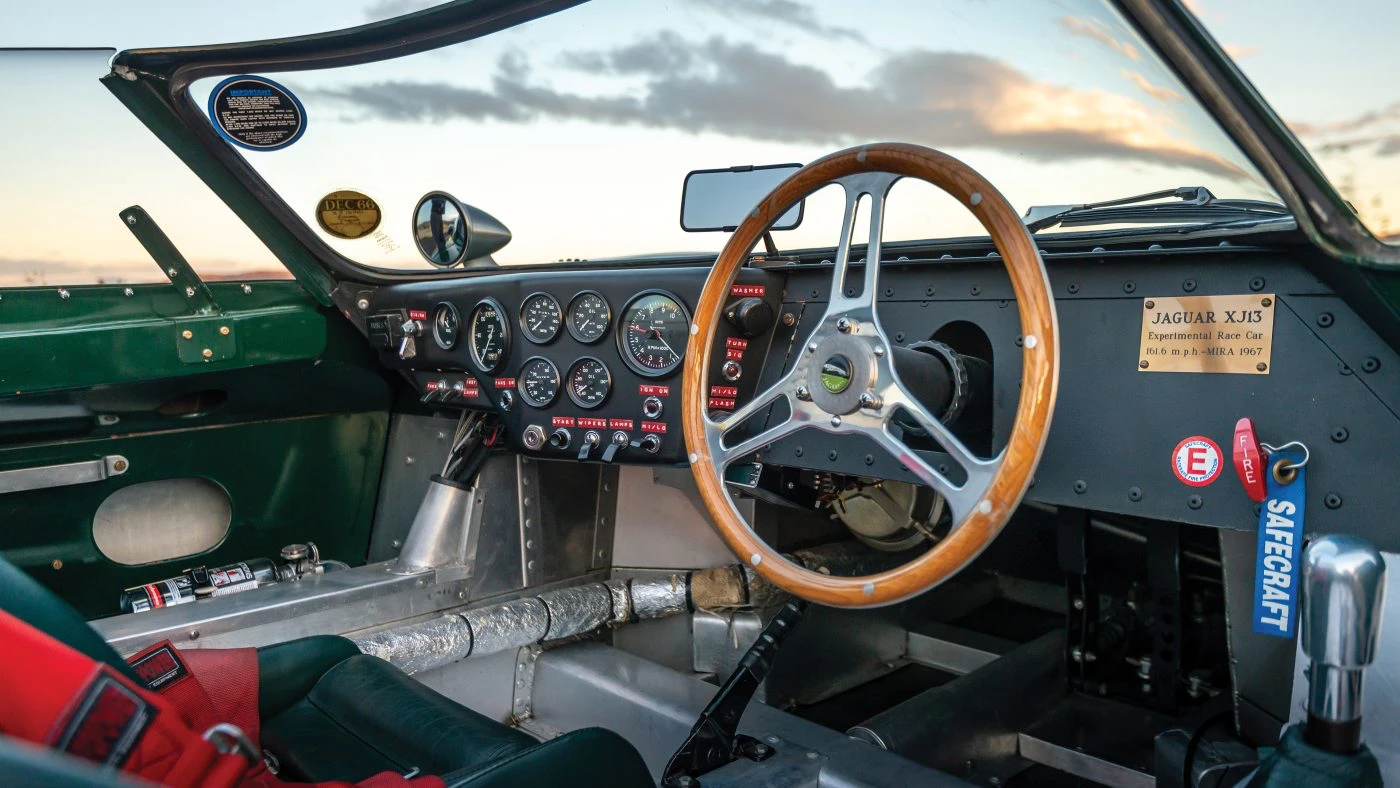
The cockpit isolates high-voltage ignition circuits, fuel pressure controls, and dry-sump monitoring into dedicated switch banks to the left of the driver and center facia:
┌────────────────────────────────────────────────────────────────────────┐
│ [AUX / HEADLAMPS]   [PUMP 1 / 2]  [IGNITION TOGGLE]   ( TACHOMETER )   │
│       [CIRCUIT BREAKER / FUSE RED INDICATORS]         ( WATER / OIL )  │
│                                                                        │
│ [STARTER TOGGLE / LEVER]                              ( OIL PRESSURE ) │
│   [WIPER]      [WASH]      [TANK SELECTION]           ( AMMETER / VOLT)│
└────────────────────────────────────────────────────────────────────────┘
Upper Switchbank (Top Left)
- Master Ignition Circuit: Heavy-duty toggle that energizes low-tension feeds to the twin Lucas OPUS coils and distributors.
- Dual Electric Fuel Pumps: Independent toggle switches powering the primary and secondary high-pressure pumps feeding the Lucas mechanical metering unit.
- Auxiliary Lighting: Switches for external endurance driving beams, cockpit illumination, and the mandatory high-intensity rear rain lamp.
- Warning Light Array: Individual red tally lamps providing real-time circuit status and alternator charging alerts.
Guarded Starter Lever (Center Left)
- Heavy-duty, shielded switch positioned on the center-left facia directly linked to the starter solenoid.
Lower Ancillary Controls
- WIPER & WASH: Individual toggles/rotary switches for windshield clearing equipment.
- TANK / FEED Switch: Dual-tank balance switchover valve to alternate fuel scavenging between the left and right structural pontoon tanks.
Gauge Cluster
- Smiths Tachometer (Center): 0–8,000+ RPM chronometric gauge with redline set at 7,600 RPM.
- Smiths Dry-Sump Oil Pressure Gauge: High-capacity pressure readout vital for monitoring the dry-sump scavenge and pressure stages.
- Smiths Coolant & Oil Temperature Gauges: Direct mechanical readouts for cooling water and engine oil temperatures.
- Lucas System Ammeter/Voltmeter: Real-time electrical draw and charge indicator.
4. Operational Sequence: Engine Start-Up
Engage the master battery cutoff switch on the cockpit bulkhead. Place the ZF 5-speed shifter in Neutral, ensure the handbrake is set, and confirm the clutch pedal operates freely.
Flip the Fuel Pump toggle upward. The electric scavenge/feed pumps will emit an audible hum as the lines pressurize to operating levels. Visually check that no fuel is pooling beneath the 12 velocity stacks.
Flip the Ignition toggle upward. The red instrument warning light will illuminate, arming the twin coils and OPUS electronic distributors.
Fully depress the clutch pedal. Press and hold down the guarded Starter lever. Do not pump the throttle pedal, as Lucas mechanical injection units will flood the intake immediately. As the V12 fires, release the starter toggle instantly.
Feather the throttle to maintain a fast idle of 1,200–1,500 RPM. Immediately monitor the dry-sump Oil Pressure Gauge: pressure must rise above 40 PSI within 4 seconds. Do not apply throttle load until water and oil temperatures enter their nominal operating windows.
5. Historical Analysis: Why the XJ13 Was “Stillborn”
Despite its engineering excellence and race-winning potential, the XJ13 never entered an official race. Four distinct circumstances led to its retirement — plus a fifth: the legacy it left behind anyway.
- FIA Engine Regulation Changes (The Fatal Blow). The XJ13 was built around a bespoke 5.0-liter V12. At the end of 1967, the CSI (now FIA) overhauled international prototype regulations, capping displacement for Group 6 Prototype sports cars at 3.0 liters. Engines displaced up to 5.0 liters were restricted to Group 4 Sports Cars, which carried a mandatory homologation threshold of 50 road cars (later lowered to 25, which Porsche met with the 917). Jaguar had built only a single hand-riveted prototype and lacked the capital or intent to build 25 production units, disqualifying the XJ13 on paper.
- The BMH Merger & Road-Car Deadlines. In 1966, Jaguar merged into the British Motor Corporation (BMC) / British Motor Holdings (BMH). Engineering management reassigned resources and testing bandwidth away from competitive racing to complete high-volume road projects — specifically the clean-sheet Jaguar XJ6 saloon (launched in 1968) and the redesign of the V12 for production saloons.
- Rapid Escalation of Works Competition. When work began in the early 1960s, a 500 bhp V12 was an undisputed front-runner. By 1967, Ford's factory effort had fielded the 7.0-liter GT40 Mk II and Mk IV, Ferrari countered with the 330 P4, and Porsche was preparing the 917. Testing at Silverstone with drivers David Hobbs and Richard Attwood revealed that turning the XJ13 into an outright race winner would have demanded an expensive aerodynamic and chassis redevelopment program that Jaguar could not sanction.
- Consignment, the 1971 MIRA Crash, and Rebirth. Mothballed in a corner of the Browns Lane experimental shop, the car was brought out of storage in January 1971 to film promotional material for the newly introduced Series 3 E-Type V12. Driven by legendary Jaguar test driver Norman Dewis on the MIRA banked oval, an aged, plugged magnesium wheel failed at over 135 mph. The car spun, struck a track barrier, and rolled twice end-over-end. Dewis ducked beneath the cowl, cut the ignition to prevent fire, and escaped uninjured. In 1972–1973, under Chairman “Lofty” England, Abbey Panels completely rebuilt the car around the original surviving monocoque jigs, engine, and transaxle.
- Lasting Engineering Legacy. Although it never raced at Le Mans, the XJ13 was not a wasted venture. Claude Baily and Wally Hassan utilized the thermodynamic and metallurgical lessons learned from its quad-cam architecture to create Jaguar's legendary SOHC 5.3-liter production V12. That engine powered the E-Type Series 3, XJ12, and XJ-S for 25 consecutive years (1971–1996).
Coventry's most breathtaking “what if”: a mid-engine masterpiece that never turned a wheel in official competition, yet whose racing heart became the direct engineering blueprint for the production V12 that defined a generation of Jaguar road cars.
Gallery
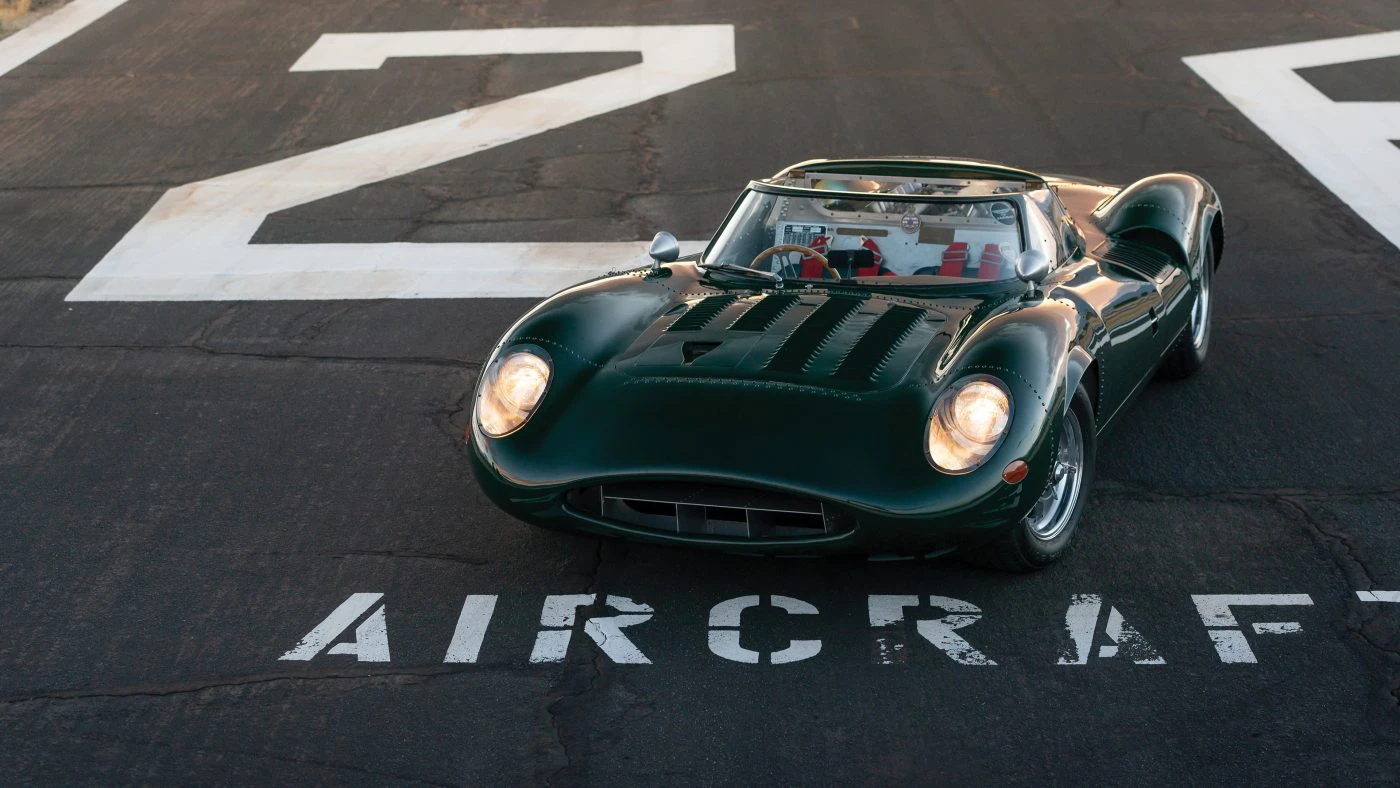
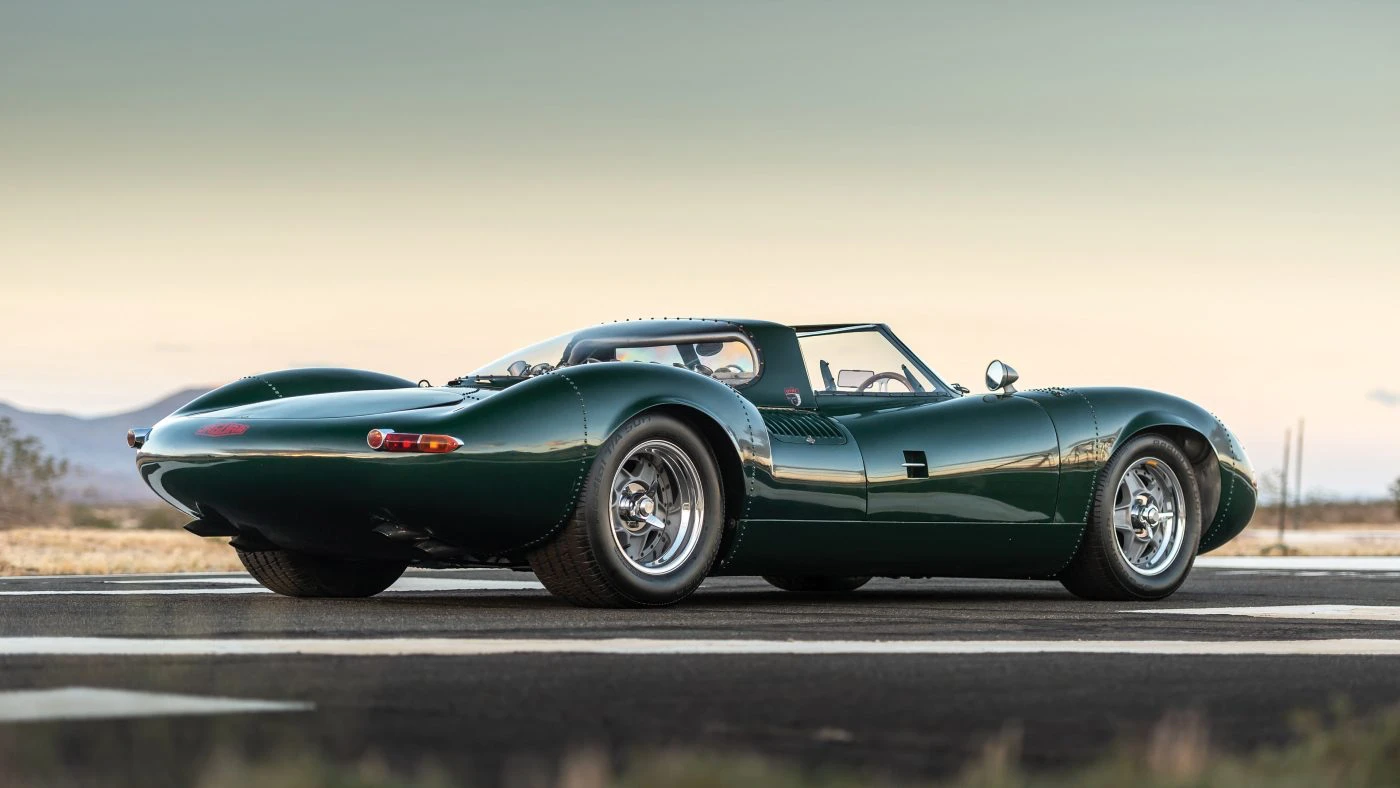
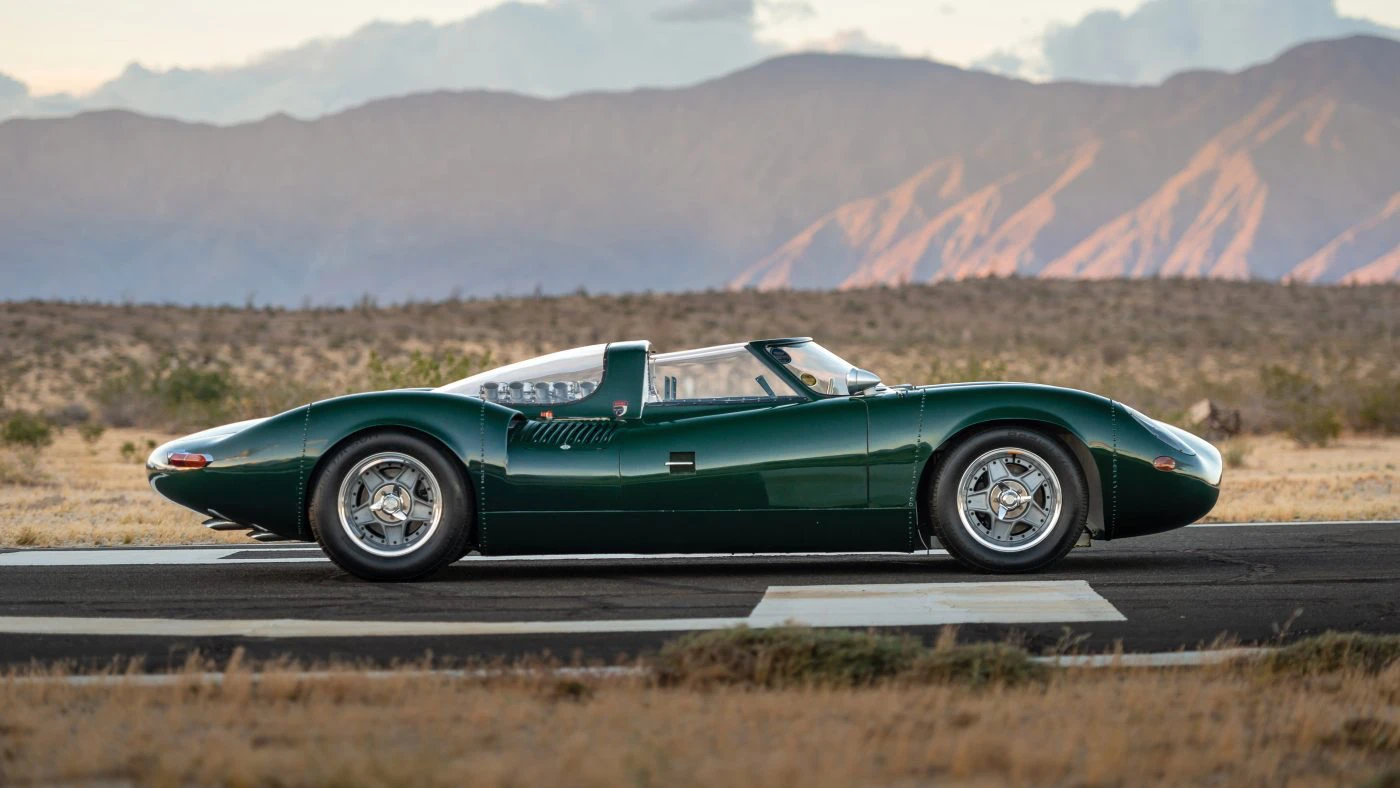
Photography: Tempero XJ13 recreation, via Supercars.net.